Our Blog
Latest articles and advice from one of the most innovative structural engineering firms in Los Angeles, The Sterling-Watson Collective.
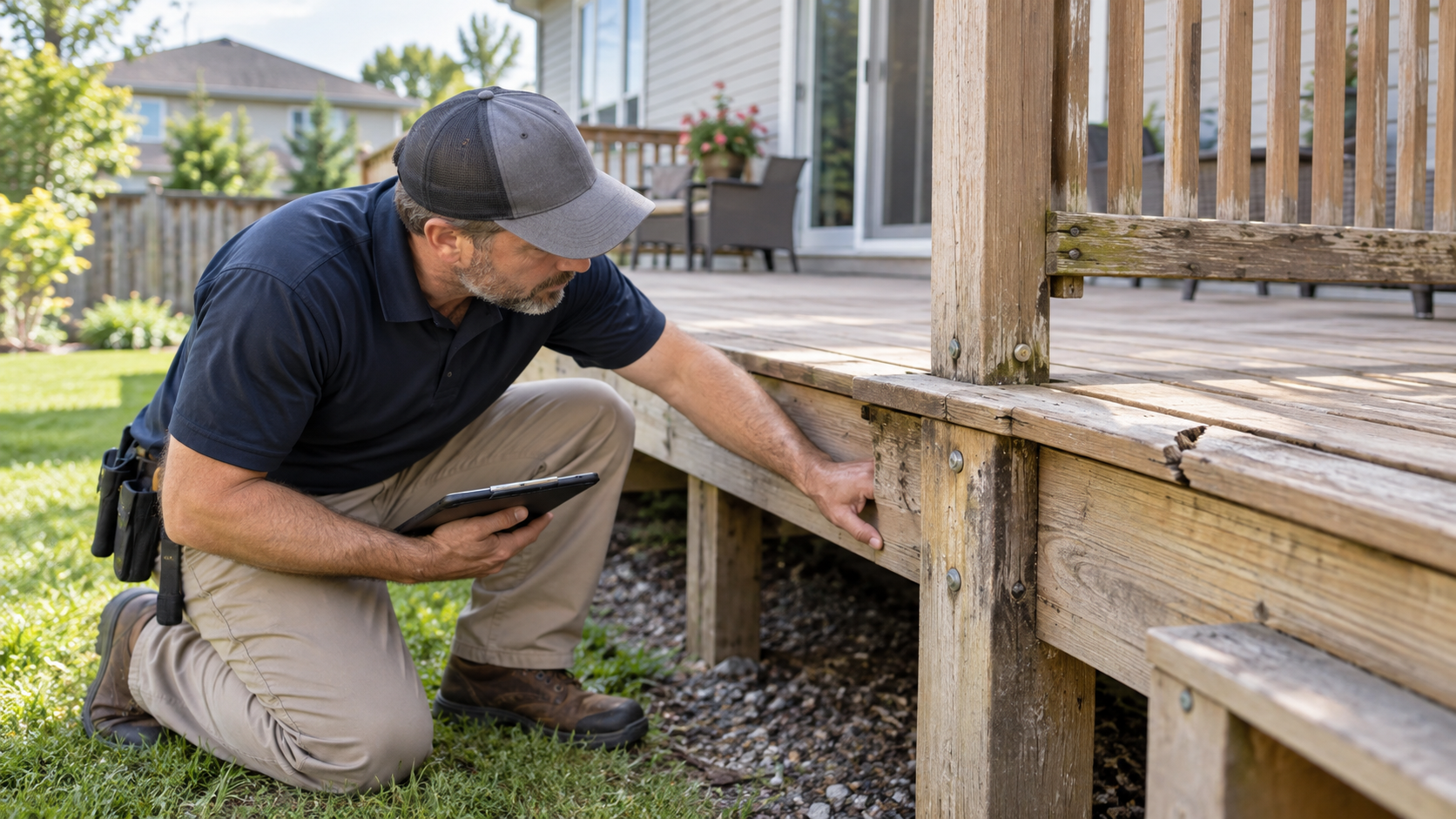
Common Deck Failures and How Regular Inspections Can Prevent Them
Decks are designed to provide safe, functional outdoor living space, but constant exposure to weather, moisture, heavy loads, and everyday use can gradually weaken critical structural components. Many deck failures do not happen because of one isolated problem; instead, deterioration, poor connections, inadequate maintenance, and hidden structural deficiencies can build up over time until the deck can no longer safely support its intended loads. Recognizing potential problems early is one of the most effective ways to reduce the risk of a serious deck failure.
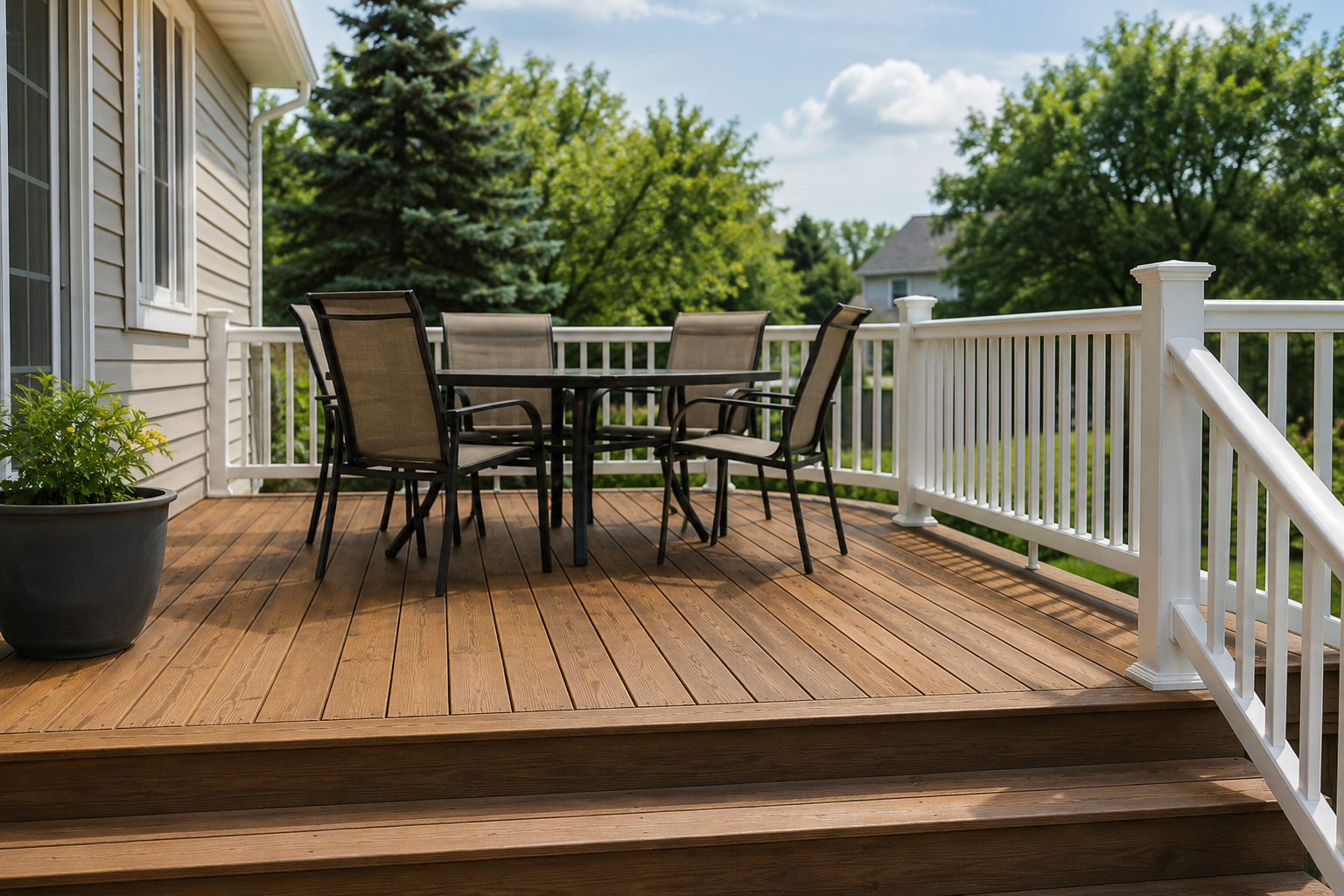
Deck Load Capacity Calculator: How Much Weight Can Your Deck Safely Hold?
A deck may look strong enough to support a crowded gathering, oversized planters, an outdoor kitchen, or even a hot tub. However, appearances alone cannot confirm whether the framing, connections, posts, footings, and underlying soil can safely carry the added weight. Using a deck load capacity calculator can provide an initial estimate before you install heavy furniture or make significant changes to the space.
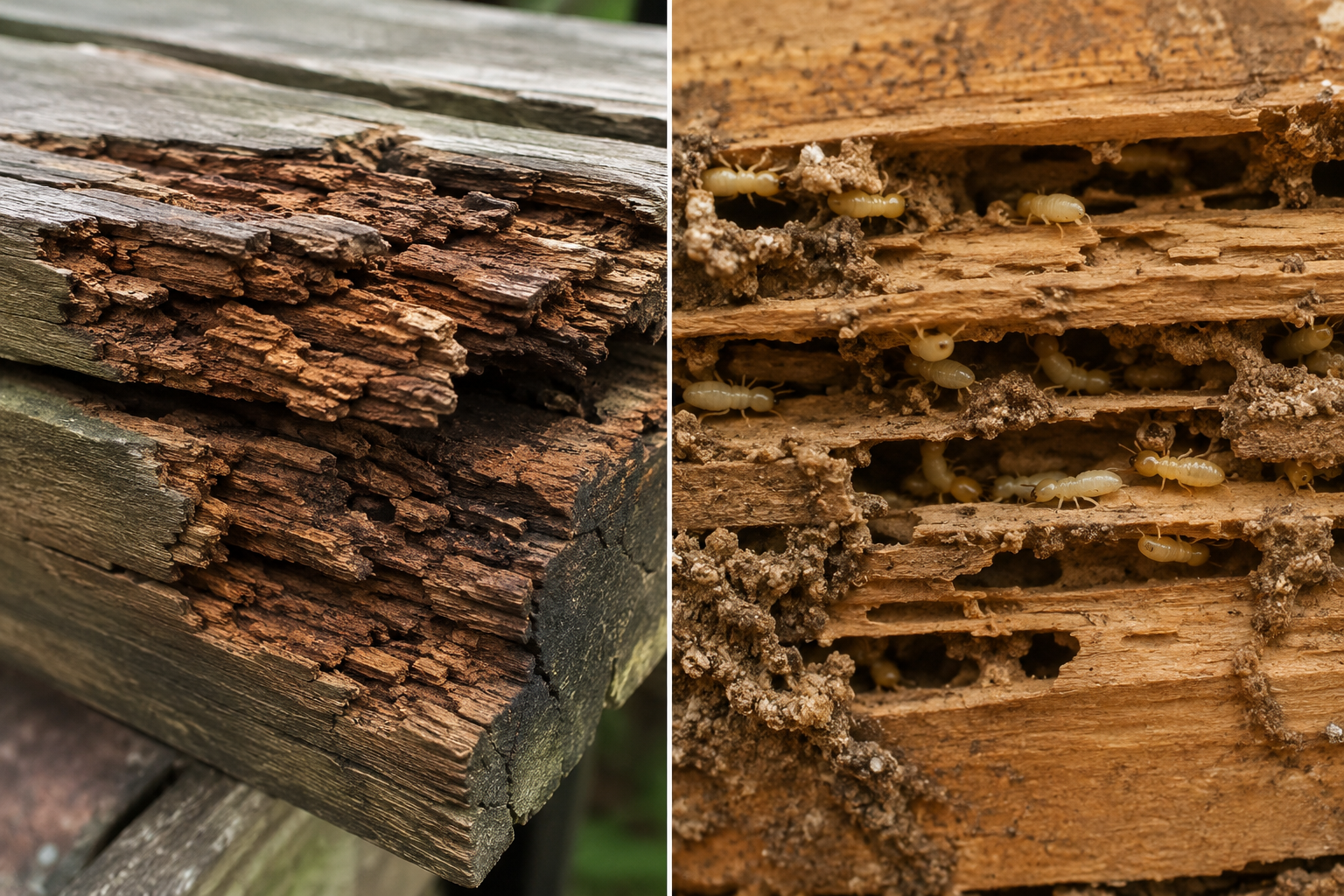
Comparing Dry Rot vs Termites: How to Tell What's Damaging Your Deck
Understanding the differences between dry rot vs termites can help homeowners and HOA managers recognize warning signs and take the right next step. Although the damage may initially look similar, dry rot and termite infestations develop for different reasons and require different corrective measures. A professional deck inspection is often the safest way to determine the cause, identify the extent of deterioration, and evaluate whether the affected components remain structurally sound.
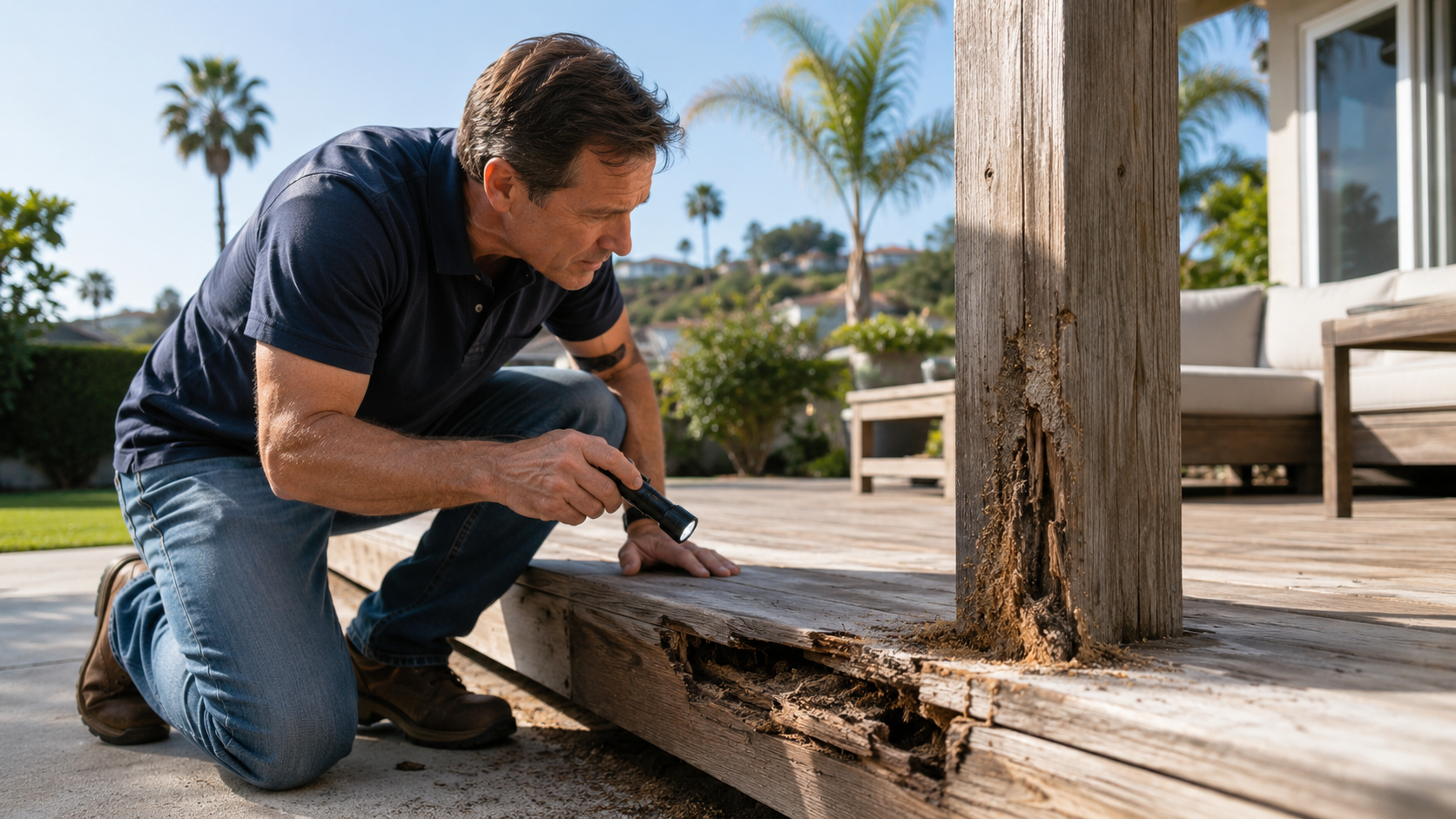
Termite Deck Damage: How to Spot It, Fix It, and Keep Your Deck Safe in Los Angeles
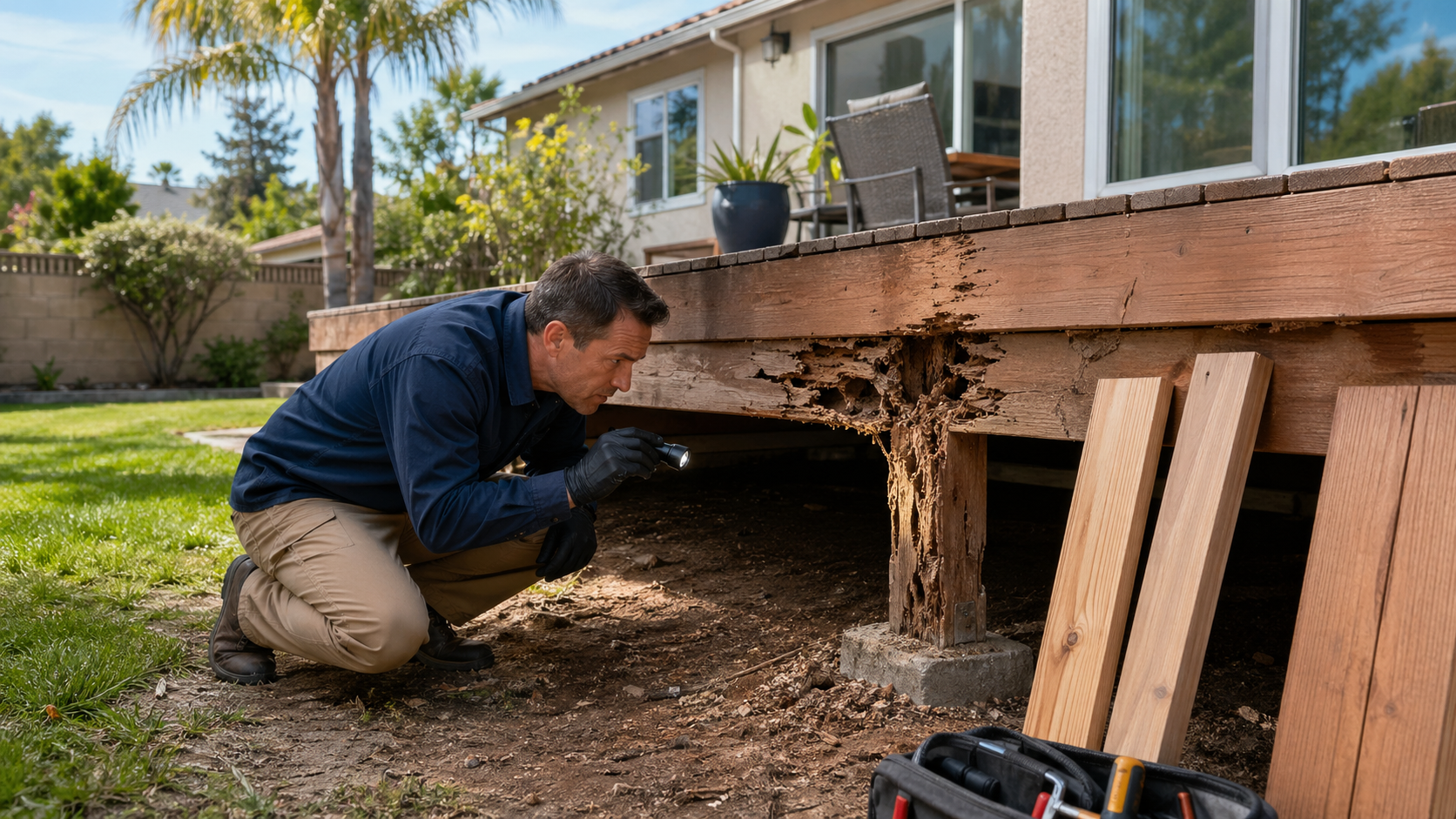
Los Angeles’s warm climate combined with irrigation systems and coastal moisture creates ideal conditions for termite activity year-round. In climates like California’s, termite colonies can expand continuously, making early detection essential. Termites can cause extensive damage to wooden structures before any visible signs appear, hollowing out joists, beams, and deck boards while the surface looks perfectly fine.
Termites in Deck: Inspection, Structural Risks, and Repair Options in Los Angeles
This article focuses on wooden structures attached to homes, rooftop decks, and raised backyard decks common across LA from the 1980s through 2010s. You’ll learn how to identify termite activity, assess urgency, reduce moisture and access points, and understand when to call both a professional pest control company and a structural engineer. The Sterling-Watson Collective, a Los Angeles–based structural engineering and design-build firm, specializes in deck repairs and retrofits as part of broader home safety upgrades.
The Ultimate Guide to Detecting Wood Rot on Decks
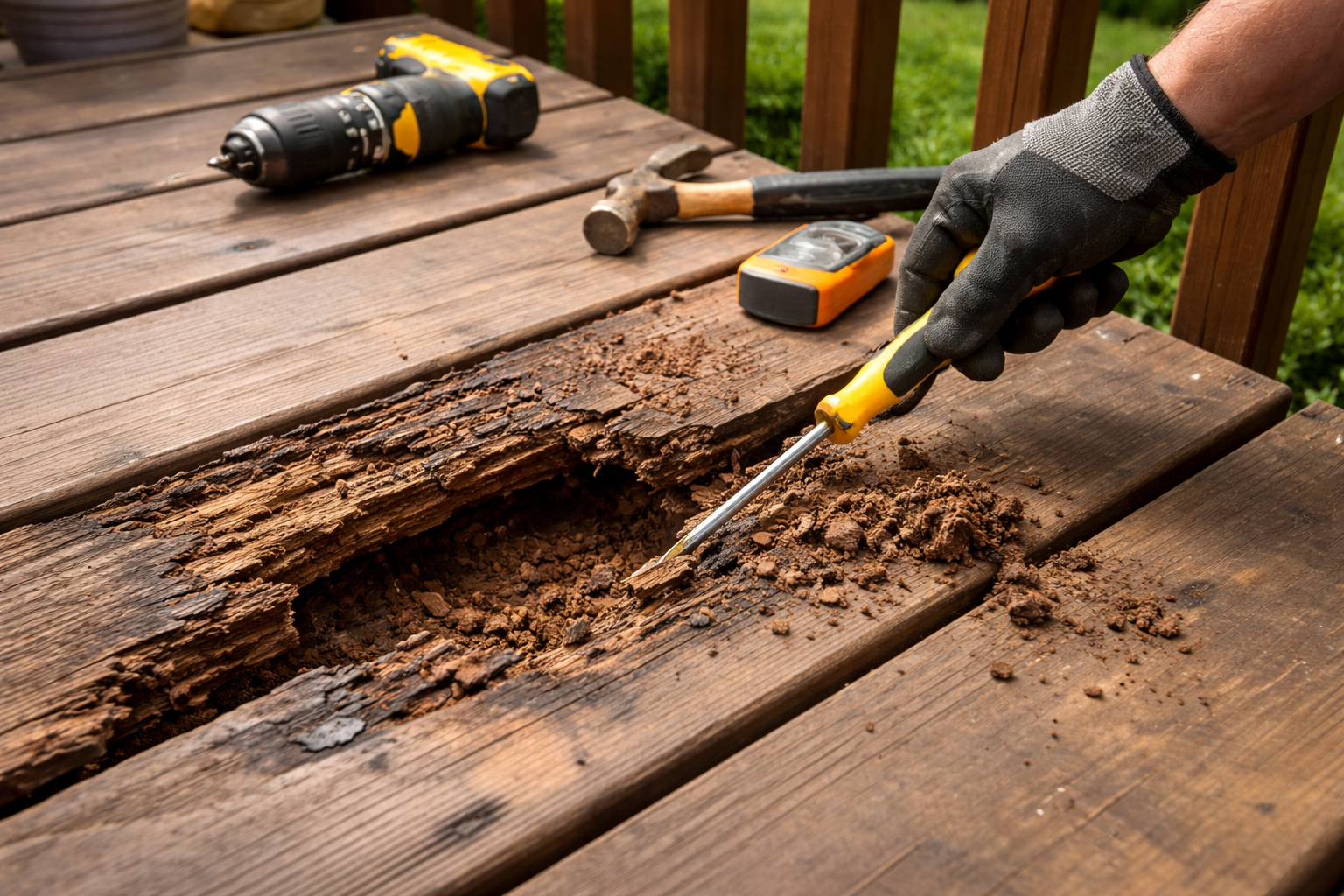
Wood rot is a fungal process in which microscopic organisms digest cellulose and hemicellulose—the primary structural components of deck lumber. As fungi colonize damp wood, they break down these polymers, leaving behind weakened, crumbly, or spongy material that can no longer support weight safely.