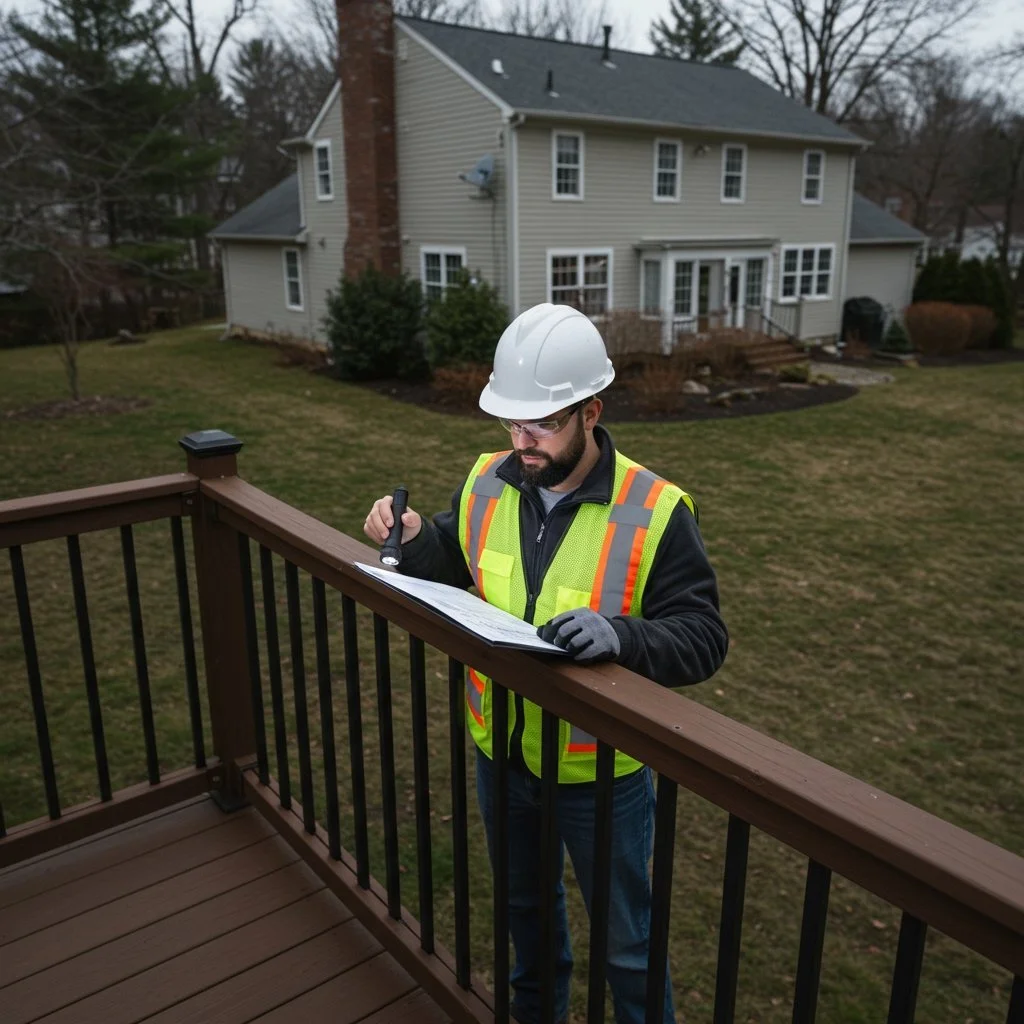
HOA Deck Inspection in California
An HOA deck inspection is a required and essential part of maintaining safety, compliance, and liability protection for condominium associations and common-interest developments across California. Balconies, decks, stairways, and elevated walkways are exposed to constant weather, foot traffic, and structural stress. When these exterior elevated elements deteriorate, the consequences can be serious — for residents, for property value, and for HOA boards responsible for oversight.
In HOA deck inspection in California is in compliance. They are mandated by state law. The Sterling-Watson Collective provides professional, code-aligned inspections that help HOAs meet their legal obligations, protect residents, and maintain long-term asset integrity.
What an HOA Deck Inspection Actually Covers
An HOA deck inspection is a formal structural evaluation of exterior elevated elements (EEEs) within a condominium or homeowners association. These are shared structures that support residents and guests and must be maintained to the highest safety standard.
These elements include:
Balconies and decks
Elevated walkways and porches
Stairways and landings
Guardrails and handrails
Structural supports attached to the building
Unlike routine maintenance checks, an HOA deck inspection evaluates structural performance, not just surface condition. These inspections are conducted by licensed professionals and documented in compliance reports required by California law.
Why HOA Deck Inspections Are Required in California
California enacted SB 326 after multiple structural failures caused by hidden decay, water intrusion, and aging construction methods. Many decks and balconies look sound from the outside while suffering from deterioration inside the framing or behind waterproofing.
HOA deck inspections exist to:
Prevent structural failures before they occur
Protect residents, tenants, and guests
Reduce legal and financial exposure for HOA boards
Ensure consistent maintenance of shared structures
Preserve long-term property value
For HOA board members and property managers, these inspections are not optional. They are a core part of fiduciary responsibility.
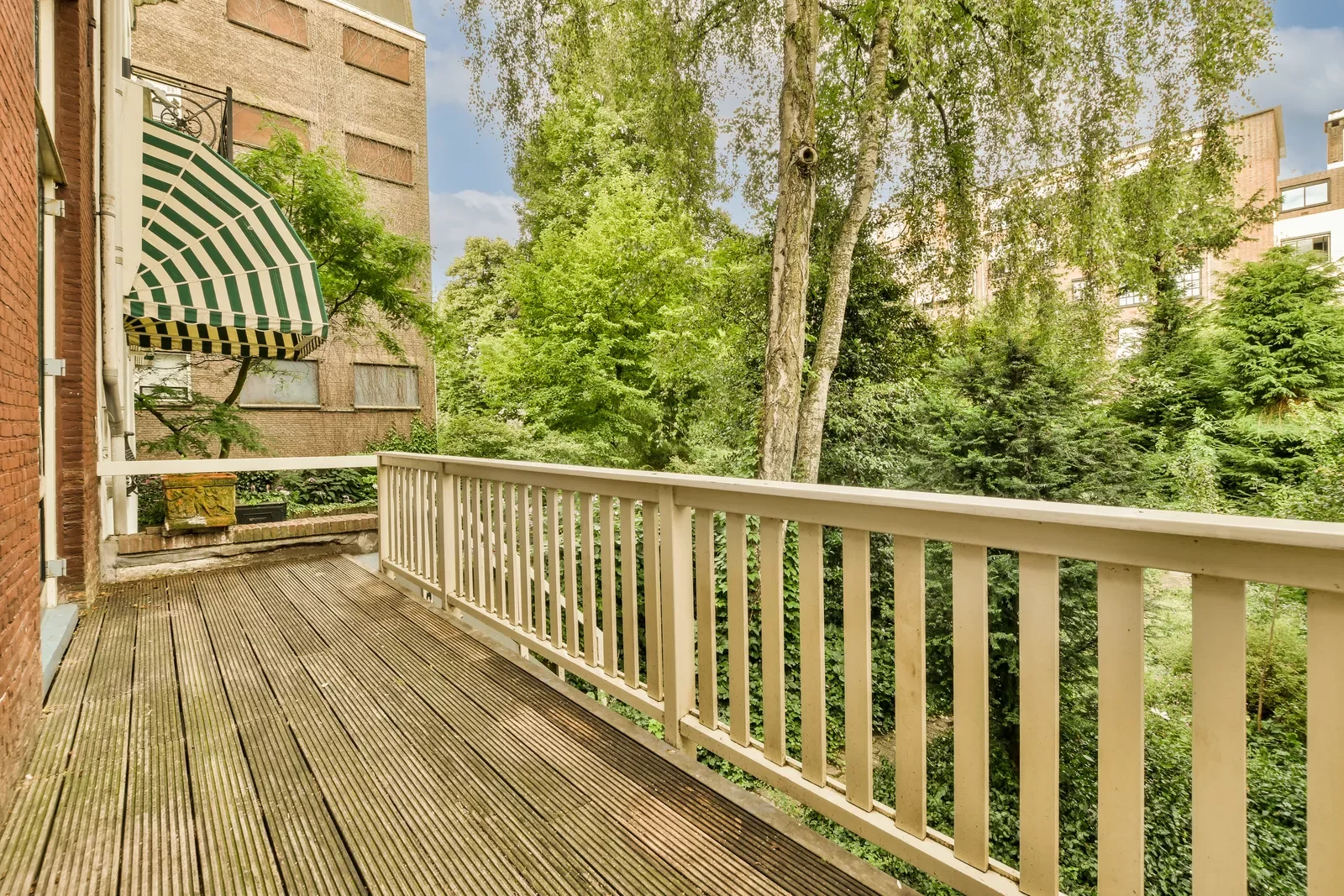
California HOA Deck Inspection Law – SB 326 Explained
SB 326 applies specifically to condominium associations and HOAs with exterior elevated elements supported by wood or wood-based materials.
What properties must comply are:
Condominium associations
HOAs with decks, balconies, stairways, or elevated walkways
Structures that are part of the common area or attached to residential units
HOAs must complete an inspection every nine (9) years. Initial deadlines are based on the building’s certificate of occupancy, and all future inspections follow the nine-year cycle.
The inspection can be performed by:
A licensed structural engineer, or
A licensed architect
Contractors alone do not meet the legal requirement unless working under professional supervision where permitted by law.
HOA responsibilities
Boards and management must:
Schedule inspections within the required timeframe
Maintain inspection reports
Disclose results to association members
Complete required repairs within the allowed period
Failure to comply can lead to legal action, insurance complications, enforcement penalties, and increased liability exposure.
Schedule Your HOA Deck Inspection
HOA deck inspections are not just a regulatory obligation — they are a safeguard for your community and your board.
The Sterling-Watson Collective provides professional HOA deck inspection services throughout California, with a focus on accuracy, compliance, and long-term structural performance.
Contact us today to schedule your HOA deck inspection and ensure your association remains protected, compliant, and confident.
What The Sterling-Watson Collective Evaluates
Our HOA deck inspections are engineering-driven and designed to identify both visible and concealed risks.
We evaluate:
-
Beams, joists, posts, and load paths are assessed for cracking, movement, sagging, or improper sizing.
-
We check for dry rot, fungal growth, moisture infiltration, and corrosion that weaken the structure from the inside.
-
The connection between the deck and the building is one of the most common failure points and receives close attention.
-
We verify that railings, handrails, and anchorage meet current safety standards.
-
Each element is evaluated against California Building Code requirements and SB 326 inspection criteria.
When necessary, invasive inspection techniques are used to assess concealed framing that cannot be evaluated visually.
What HOAs Receive After the Inspection
Following the inspection, your HOA receives professional documentation that supports compliance and decision-making.
Each report includes:
A summary of inspected exterior elevated elements
Detailed findings and observations
Photographic documentation
Identification of unsafe or deteriorated conditions
Prioritized repair and maintenance recommendations
Confirmation of SB 326 compliance
These reports support:
Board records
Reserve planning
Contractor coordination
Disclosure obligations
They also serve as proof of due diligence if questions arise from owners, insurers, or regulatory authorities.
How HOA Boards and Property Managers Can Prepare
Preparation helps inspections run smoothly and minimizes disruption for both residents and management. Before scheduling an inspection, HOA boards and property managers should gather any available building plans or past inspection reports, identify all balconies, decks, and elevated walkways on the property, and notify residents in advance about any access requirements. These steps ensure the inspection team can evaluate every required area without unnecessary delays or missed components.
After the inspection is complete, the board or management team should review the findings together, prioritize any safety-critical repairs, and maintain all inspection documentation for future compliance cycles. Keeping organized records supports regulatory obligations, long-term maintenance planning, and clear communication with residents and contractors. Working with a firm experienced in HOA compliance helps ensure each of these steps is handled accurately and efficiently.
Why HOAs Choose The Sterling-Watson Collective
The Sterling-Watson Collective specializes in structural evaluation and compliance for California properties. Our HOA deck inspection services are built around accuracy, defensibility, and clear guidance.
We provide:
California-specific expertise
Our Los Angeles-based team understands SB 326 and local jurisdictional standards.
Engineering-led evaluations
We focus on structural integrity — not just surface appearance.
Clear communication
We help boards and property managers understand findings and next steps without unnecessary complexity.
Our goal is to keep your association compliant, your residents safe, and your assets protected.
Frequently Asked Questions
-
Yes. If your HOA is a California condominium association with exterior elevated elements supported by wood or wood-based materials, SB 326 requires it.
-
Failure to comply can expose the association to legal, insurance, and regulatory risk. Scheduling promptly helps avoid penalties and emergency repair situations.
-
Yes. All exterior elevated elements within the HOA’s scope must be evaluated under the law.
-
In many cases, yes. Some inspections require access to balconies or interior areas connected to elevated structures.
-
Yes. We provide guidance for repairs, compliance documentation, and ongoing inspection planning.