Termites in Deck: Inspection, Structural Risks, and Repair Options in Los Angeles
Key Takeaways
Termites can hollow out deck joists and beams for years while surfaces appear intact—early detection in 2026 prevents structural failure and costly rebuilds averaging $15,000–$40,000.
The most reliable signs include hollow sounding boards, mud tubes on posts and ledgers, frass piles beneath railings, and warped or spongy planks.
Los Angeles County’s warm climate and irrigation practices near decks dramatically increase termite risk, especially for homes built between the 1980s and 2010s.
The Sterling-Watson Collective coordinates professional inspection, structural evaluation, repair design, and permitting for termite-damaged decks across LA County.
Introduction: Termites in Your Deck (and Why It Matters Now)
In Southern California, particularly Los Angeles County in 2026, wood decks are routinely compromised by subterranean termites and drywood termites working silently beneath surface finishes. These wood destroying insects can hollow out joists, beams, and deck ledgers while the structure above still looks intact—turning what appears cosmetic into a genuine structural safety problem.
This article focuses on wooden structures attached to homes, rooftop decks, and raised backyard decks common across LA from the 1980s through 2010s. You’ll learn how to identify termite activity, assess urgency, reduce moisture and access points, and understand when to call both a professional pest control company and a structural engineer. The Sterling-Watson Collective, a Los Angeles–based structural engineering and design-build firm, specializes in deck repairs and retrofits as part of broader home safety upgrades.
Common Signs of Termites in a Wooden Deck
Termites feed on cellulose within wood, operating silently and often invisibly on the surface. Homeowners must look for subtle but reliable indicators of infestation before significant damage occurs.
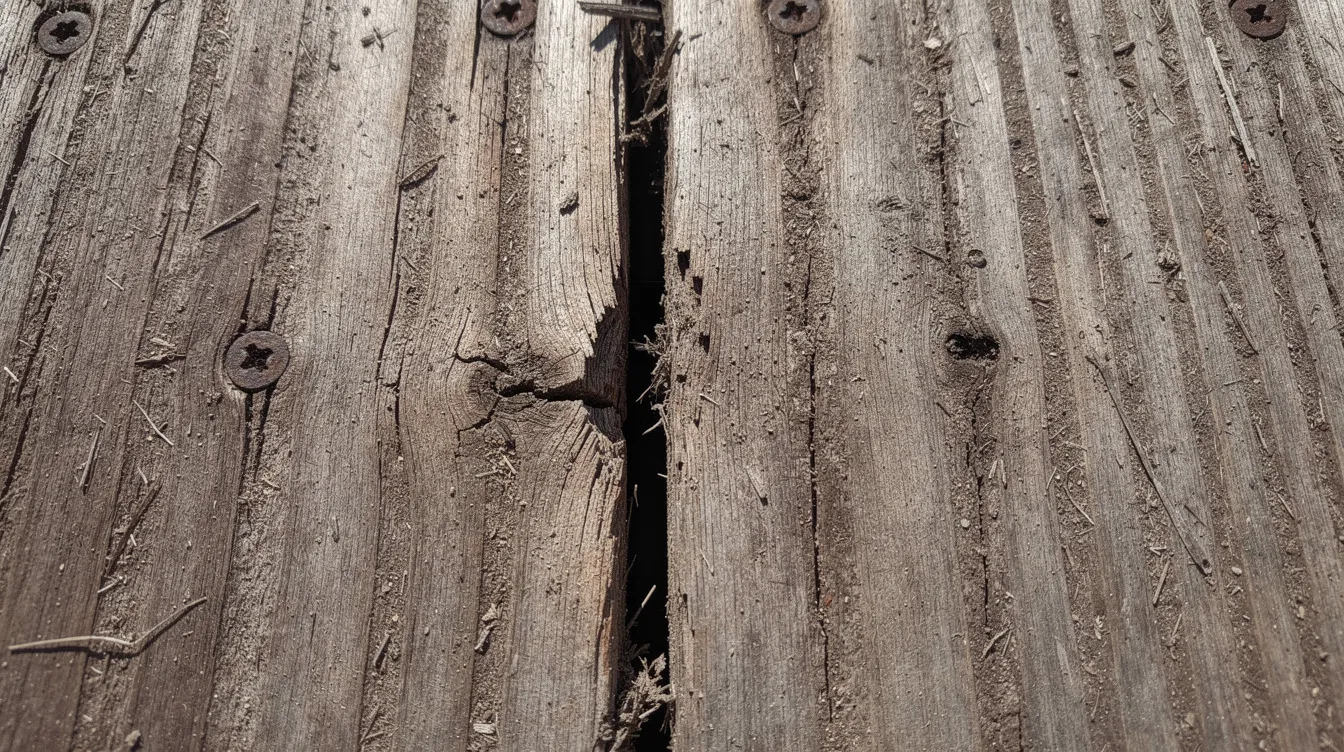
Hollow-Sounding or Soft Deck Boards
Walk across your deck and tap boards with a hammer handle or knuckles:
Hollow sounding wood or drum-like resonance suggests internal galleries
Boards that flex, feel spongy, or crumble when probed with a screwdriver indicate damage beyond surface weathering
Focus on areas near planters, hose bibs, hot tubs, and grill stations where excess moisture concentrates
Pre-2000 LA decks with non-treated lumber commonly show 30–50% cross-sectional loss in advanced cases
Mud Tubes on Posts, Footings, or Ledger
Subterranean termites build mud tubes to maintain moisture termites need as they travel from soil to deck wood:
Look for pencil-sized, dried-mud tunnels running up concrete footings, deck posts, and foundation walls
Tubes often appear along joists and beams where daylight rarely reaches
Scrape off a small section—if termites are active, the tube will be repaired within days
Take close-up photos for pest control and structural professionals to review
Frass and Small Exit Holes
Drywood termites, common in LA hillside neighborhoods like the Hollywood Hills, leave distinct termite droppings around deck components:
Frass appears as tiny, six-sided pellets resembling coffee grounds or sand
Small holes (1–2mm diameter) in deck boards or railings often accompany frass piles
Clean the area and recheck within a week—new pellets confirm active infestation
Carpenter ants produce coarser debris mixed with insect parts; professional identification helps distinguish between pests
Warped, Buckling, or Sagging Deck Areas
Internal fiber degradation causes boards and joists to lose stiffness:
Sight along deck boards at eye level to spot dips, humps, or twisting
Sagging near the house wall may indicate termite damage at the ledger or band joist
Mark affected areas with chalk and limit heavy use until a structural inspection is complete
Multi-story decks and hillside structures in LA canyons warrant prompt professional review when deflection appears
Clicking, Tapping, or Rustling Inside Wood
In quiet conditions, soldier termites can sometimes be heard:
Place an ear or stethoscope against suspect posts and beams in the evening
Intermittent faint tapping accompanying other signs of termite presence suggests active colony activity
Sound-based signs combined with visual evidence strengthen the case for immediate evaluation
Why Early Detection of Termites in Decks Is Critical
In LA’s climate, termite colonies expand year-round, and termite damage can accelerate from cosmetic to structural quickly. Decks are typically not over-designed—loss of even 20–30% of member capacity in joists, beams, or ledgers can violate code safety margins.
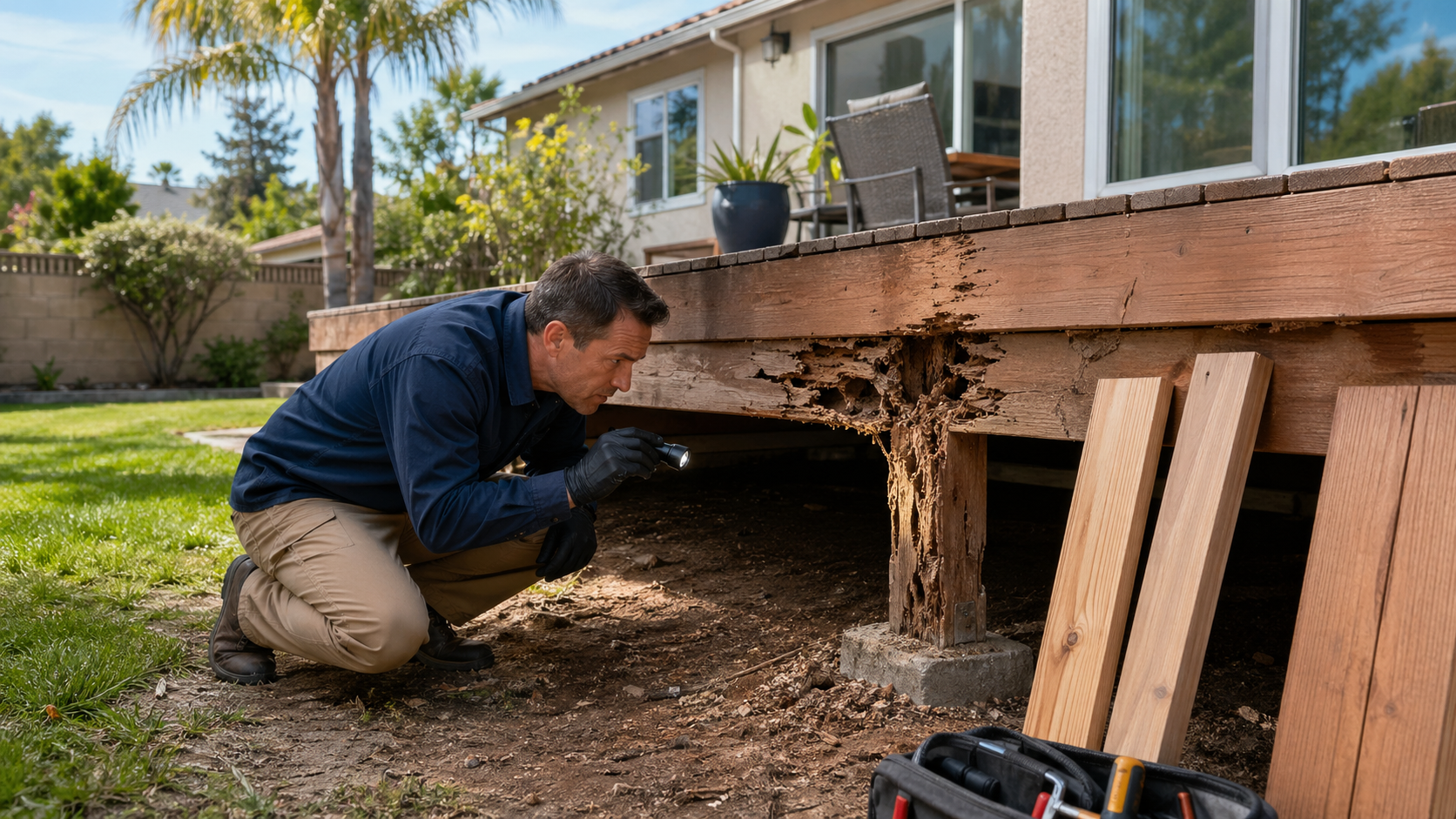
Left unchecked, a termite infestation in an attached deck can spread into the home’s foundation rim joist, sill plate, and interior walls. In 2026, California buyers, appraisers, and insurers scrutinize wood-destroying organism reports heavily, affecting resale value by 5–10% for infested properties. Early detection enables targeted treatment and partial repairs rather than expensive repairs requiring full reconstruction.
How to Inspect Your Deck for Termites (Owner Checklist)
This section provides a practical inspection routine many homeowners can follow a few times per year. Basic safety first: avoid walking on visibly sagging areas and use proper lighting under the deck. Perform this walkthrough at the end of rainy season (March–April) and again in late summer.
Step 1: Inspect the Deck Surface and Railing
Start on top during daylight, scanning from the house outward
Tap every few boards checking for hollow sounds
Examine rail posts and caps for cracks, frass, and small holes
Document suspicious spots with labeled smartphone photos
Step 2: Examine the Underside, Joists, and Beams
Use a headlamp to inspect joists, beams, and stair stringers
Look for mud tubes, dark moisture stains, and channeled wood fibers
Gently probe joists supporting heavy loads (spa locations, outdoor kitchens)
Any joist easily penetrated more than a few millimeters indicates advanced deterioration
Step 3: Check Posts, Footings, and Adjacent Soil
Inspect where posts meet the ground or concrete for wood to soil contact
Check surrounding soil for persistent dampness and standing water
Remove dirt or mulch bridging over metal post bases
Note poor drainage or downspouts discharging near supports
Step 4: Inspect the Deck-to-House Connection
The ledger board is one of the most critical and vulnerable components:
Look for gaps, soft spots, rusted bolts, and water intrusion along flashing
Blistered paint or interior wall cracks opposite the ledger may indicate hidden damage
Mark concerns for professional inspection rather than removing siding yourself
Moisture and Debris: Why Your Deck Attracts Termites
Termites in Southern California are strongly influenced by moisture, shade, and organic debris. Many LA decks create shaded, poorly ventilated microclimates that attract termites and support underground colonies.
Leaf Litter, Mulch, and Stored Wood Under the Deck
Fallen jacaranda, eucalyptus, and palm debris traps moisture and hides mud tubes
Never stack firewood or lumber under decks—these provide food source and shelter
Maintain visible inspection gaps next to structural elements
Schedule seasonal under-deck cleanouts in early spring and late fall
Gutters, Downspouts, and Surface Drainage Near Decks
Ensure downspouts discharge at least 6–10 feet from the house and deck
Verify patios and yard surfaces are graded to drain away from supports
Persistent puddles near deck stairs should be addressed with drainage improvements
Ventilation and Sunlight in Under-Deck Areas
Enclosed skirting traps humid air favoring termites and fungi
Add louvered vents or lattice with adequate gaps for airflow
Trim dense shrubs blocking air circulation and sunlight
Preventing Termites in New and Existing Decks
Combining material choices, construction details, and maintenance habits offers the strongest protection against future termite infestations.
Use Treated, Termite-Resistant, or Composite Materials
Pressure treated wood rated AWPA UC4B should be used for posts, beams, and joists
Composite or PVC decking eliminates the cellulose termite resistant materials lack
Prioritize replacing vulnerable members (posts, ledger) with treated lumber during repairs
Eliminate Wood-to-Soil Contact and Improve Detailing
Per CBC Section R317, all posts should sit on concrete footings or metal bases keeping wood elevated 8 inches above grade:
Modify existing steps or beams touching soil to break termite access paths
Install metal flashing where the deck meets the house
Seal end-grain cuts to reduce moisture uptake
Ongoing Maintenance and Inspection Schedule
Set calendar reminders for regular inspections every April and October
Schedule annual professional termite inspection for LA County properties
Keep a log of inspections, cleanings, and repairs for future resale disclosures
Termite Damage, Structural Risk, and Repair Options
Once termites have been identified, the critical questions are: “Is the deck safe?” and “What’s the most cost-effective restoration path?”
Assessing the Extent of Structural Damage
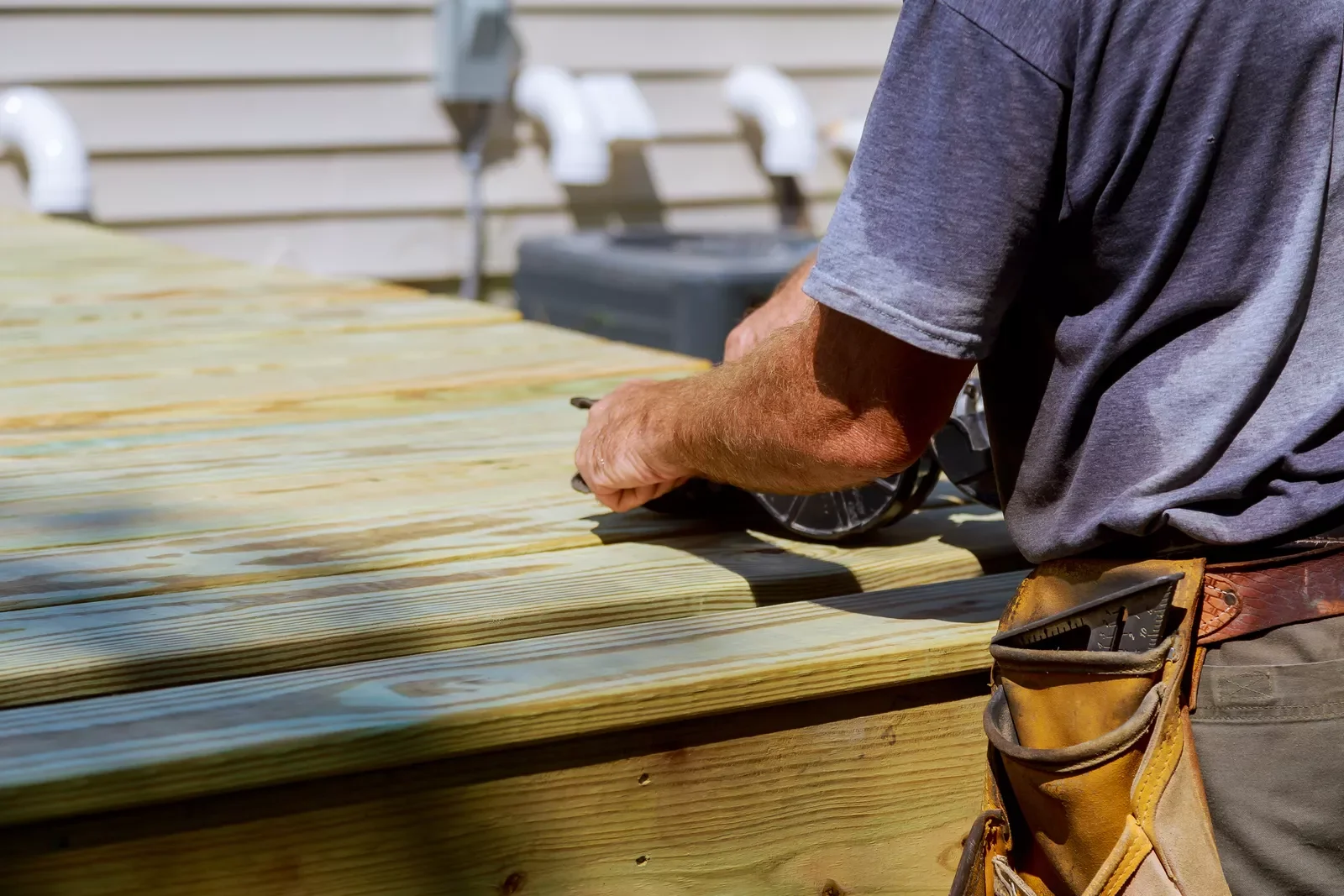
A detailed inspection of posts, beams, joists, ledger, and connections determines whether members can be repaired or must be replaced. Widespread damage to ledgers or main beams often makes partial repair less economical than planned rebuilds. Assessment should also identify related issues like rot and outdated construction practices.
Coordinating Termite Treatment and Structural Repairs
Follow this sequence:
Professional termite inspection and treatment plan
Structural evaluation after colonies are controlled
Repair or reconstruction work
Temporary shoring may be necessary while work proceeds. Keep all reports for documentation and future buyers.
Repair, Retrofit, or Full Replacement?
| Damage Level | Recommended Action | Typical Cost Range |
|---|---|---|
| Surface boards only | Spot treat and replace affected boards | $1,000–$5,000 |
| Localized joist damage | Targeted retrofit with sistering | $5,000–$10,000 |
| Extensive structural damage | Full deck replacement | $15,000–$40,000+ |
When decks exceed 20–25 years old with significant damage, full redesign improves safety, accessibility, and property value.
How The Sterling-Watson Collective Helps Los Angeles Owners with Termite-Damaged Decks
The Sterling-Watson Collective is a Los Angeles–based structural engineering and design-build firm focused on practical, code-compliant solutions. While we don’t perform chemical treatments, we work closely with licensed pest control partners to coordinate safe, durable structural outcomes.
Inspection, Structural Evaluation, and Reporting
Engagements typically begin with a site visit to examine the deck, identify visible deterioration, and evaluate overall structural integrity. Engineers provide stamped reports when required by city officials, HOAs, or buyers. Reports outline prioritized repair options with clear, plain-language summaries alongside technical details.
Design, Permitting, and Construction Support
The Sterling-Watson Collective prepares construction drawings for repair, retrofit, or full replacement including upgraded connections and preventive measures against bugs and moisture. We navigate LA city and county permitting processes and can manage construction coordinating demolition, framing, and finishes. Deck projects can be combined with ADU builds, seismic retrofits, or exterior renovations to protect your investment efficiently.

Frequently Asked Questions about Termintes in Decks
-
In LA’s climate, significant structural weakening can occur over 3–7 years of undetected colony activity. Once key members lose 25% or more capacity, routine loads from gatherings or planters may exceed safe limits. Any deck showing severe softness or extensive mud tubes should be treated as potentially unsafe until a professional can inspect it.
-
Replacing surface boards alone is acceptable only if a professional confirms underlying joists, beams, and connections are sound. Cosmetic fixes can hide deeper damage—obtain at least a basic structural opinion before committing to surface-only repairs, especially on older decks where ants and termites may have spread to hidden members.
-
Steel and concrete reduce termite vulnerability but introduce other challenges including corrosion risk and higher costs (approximately 30% more). Many LA projects favor wood or hybrid systems with treated lumber and proper moisture control for cost-effectiveness. Discuss material options with a structural engineer to match your budget and risk tolerance.
-
Minor like-for-like surface repairs often don’t require permits, but structural repairs, size changes, or new decks typically do. Attaching a new deck to a house or altering supports triggers permit requirements. Confirm with your local building department or work with a firm like The Sterling-Watson Collective that handles permitting as part of the project.
-
Annual professional termite inspections are recommended for LA County homes with decks, plus additional checks after major moisture events. Pair termite inspections with periodic structural inspections, especially in multi-unit buildings. Documented annual inspections support insurance discussions and demonstrate proactive maintenance to future buyers.