The Ultimate Guide to Detecting Wood Rot on Decks
Key Takeaways
Undetected wood rot is one of the top causes of deck failures in Los Angeles, and early detection can prevent expensive rebuilds that cost homeowners $5,000 to $15,000 or more.
Homeowners should visually and physically inspect their decks at least once a year, and immediately if they notice soft spots, sagging, or loose rails.
Critical rot often hides in structural components like ledger boards, posts, and joists—areas that usually require a qualified professional inspection to evaluate safely.
The Sterling-Watson Collective offers detailed deck inspections in Los Angeles County, including written reports, repair recommendations, and permit-ready plans when needed.
Catching wood rot early often means targeted repairs instead of full deck replacement, saving both time and money while protecting your outdoor living space.
Introduction: Why Detecting Wood Rot on Decks Matters
Southern California’s combination of intense sun and periodic heavy rains—like the 2023–2024 winter storms—creates ideal conditions for deck wood rot that many homeowners don’t anticipate. When moisture repeatedly soaks into deck lumber without adequate drying time, fungi begin breaking down the wood fibers, compromising both the beauty and safety of your outdoor space.
Wood rot is not simply a cosmetic issue. It is a fungal decay process that digests cellulose, the structural polymer that gives timber its strength. Affected wood can retain only 10–20% of its original compressive strength, making what looks like solid lumber dangerously weak. Many serious deck failures start with small, overlooked areas of rot that spread rapidly into joists, posts, and connections over months or years.
At The Sterling-Watson Collective, we specialize in structural engineering and construction services throughout Los Angeles County, including comprehensive deck inspections, structural assessments, and repairs. This guide will walk you through DIY detection steps you can perform today and help you recognize when it’s time to call a professional for a full evaluation of your deck’s structural integrity.
What Is Wood Rot on Decks?
Wood rot is a fungal process in which microscopic organisms digest cellulose and hemicellulose—the primary structural components of deck lumber. As fungi colonize damp wood, they break down these polymers, leaving behind weakened, crumbly, or spongy material that can no longer support weight safely.
Three conditions must exist for rot to develop:
| Factor | Requirement |
|---|---|
| Moisture | Wood moisture content above 20–30% |
| Oxygen | Exposure to air (present on all outdoor decks) |
| Fungi | Spores present (virtually always present outdoors) |
There are two main categories homeowners should understand:
Wet rot is characterized by soft, dark, localized decay and typically occurs in areas where wood is consistently damp. Wet rot typically remains confined to the area where moisture is present and appears as darkened, soft, spongy wood that feels waterlogged.
Dry rot is caused by a specific type of fungus, can spread rapidly, and is characterized by brittle, crumbly wood that may develop cubical cracking. Dry rot can develop in wood that is only occasionally moist and produces wood that cracks into cubical brown fragments with a dry, brittle texture.
Not all damaged or discolored wood is rot. UV graying, impact damage, and surface checking are common on aging decks but do not indicate decay. The sections below will help you identify wood rot versus normal weathering.
The most critical concern is rot in structural components: the ledger board connecting deck to house, beams, joists, posts, and rail connections. Decay in these areas can lead to deck collapse, which is why understanding where rot hides matters as much as recognizing surface signs.
What Causes Wood Rot on Decks?
Repeated wetting without proper drying is the root cause of deck rot. In Los Angeles, this moisture can come from coastal fog, irrigation overspray, pooling rainwater, or the intense winter storms that occasionally drench the region for days.
Design and Installation Issues
Poor construction choices create conditions where moisture accumulates and cannot escape:
Lack of proper flashing at the ledger board (improper flashing is responsible for the majority of wall-joint rot cases)
Decks built too close to grade, trapping moisture between deck surface and ground
Beam tops that collect water without drainage slope
Unsealed end-grain cuts that absorb moisture 4–5 times faster than face grain
Maintenance-Related Causes
Even well-built decks develop rot when maintenance lapses:
Failing stain or sealer that no longer repels water
Clogged gaps between boards that trap debris and moisture
Leaves and soil piled against posts, steps, or railings
Minor leaks left unaddressed until decay spreads
Los Angeles-Specific Examples
Local conditions create unique vulnerabilities:
Sprinklers hitting deck stairs daily near swimming pools
Coastal decks in Santa Monica facing constant salt-laden moisture and mildew
Hillside decks with poor drainage where water flows toward rather than away from structures
Older, untreated Douglas fir framing and rail posts from pre-2000 builds are more vulnerable than modern pressure treated wood or composite decking components. If your deck predates current building standards, extra vigilance is warranted.
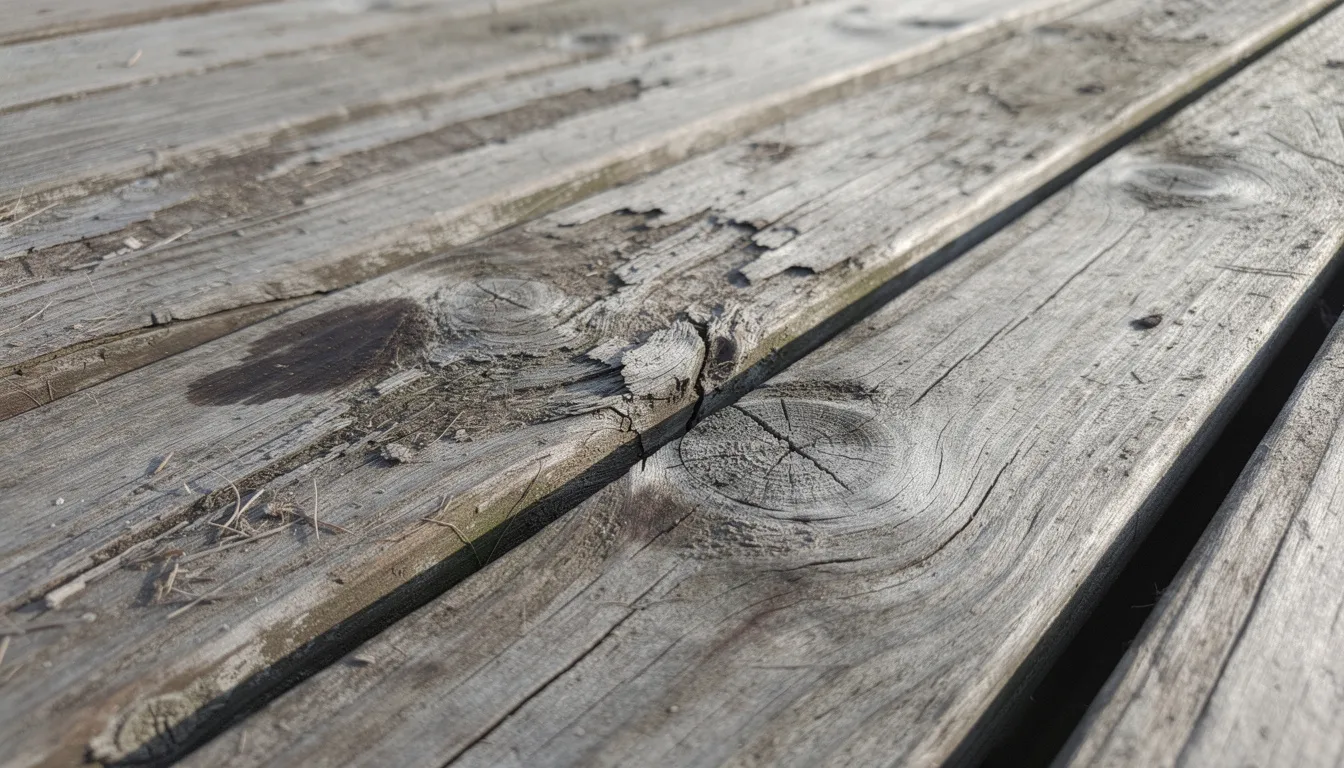
Early Warning Signs of Wood Rot You Can See and Feel
Early detection focuses on changes in color, texture, and smell, plus how the deck feels underfoot. Conduct inspections when the deck is dry and in good daylight so discoloration and surface changes are easier to spot.
Visual Warning Signs:
Darkening to brown, gray, or black patches that persist when dry
Surface cracks or checking finer than typical weathering splits
Peeling or blistering paint or stain that exposes softened substrate
White, green, or fuzzy fungal growth on surfaces or undersides
Sunken or cupped deck boards that no longer sit flat
Physical Warning Signs:
Soft spots where the deck surface depresses under foot pressure
Spongy feel when walking, especially near posts or stairs
Crumbly edges or corners that break apart easily
Areas that feel different from surrounding wood when touched
Other Indicators:
A musty smell or mushroom-like odor, especially near shaded corners
Visible mold or mildew that returns quickly after cleaning
Document suspicious areas with photos to track progression over weeks or months. This documentation also helps professionals assess the extent of damage during a formal inspection.
How to Perform a DIY Wood Rot Check: Step-by-Step
This walkthrough guides you from the top of your wood deck down to the foundations. Regularly inspect wood for signs of water damage to catch wood rot early and prevent costly repairs.
Gather these simple tools before starting:
Flashlight (essential for underside inspection)
Flat-head screwdriver or awl
Small hammer
Pry bar (useful for prying up stubborn deck boards and inspecting for hidden rot)
Notepad or phone camera for documentation
Safety reminder: Do not lean on visibly damaged rails or walk on areas that visibly sag or bounce. If the deck feels unstable, stop immediately and contact a professional.
Step 1: Inspect the Walking Surface
Walk the entire deck slowly, paying attention to how each area feels underfoot. Note any boards that bounce, feel soft, or sound hollow when tapped with your hammer. Look for discoloration patterns, especially darker areas that may indicate moisture buildup.
Step 2: Check Railings and Guardrails
Push firmly against rail posts and guardrails at multiple points. They should feel solid with no movement. Inspect the base of each rail post where it meets the deck surface—this connection is prone to trapping water and developing hidden rot.
Step 3: Examine the Ledger Board
The ledger board attaches your deck to your house and is a critical connection point. Look for:
Water staining on the house wall above or below the ledger
Soft or discolored wood at ledger ends
Missing or corroded flashing
Gaps between ledger and house siding
Step 4: Inspect the Underside Framing
If you can safely access the area beneath your deck, shine your flashlight along joists, beams, and connections. Look for discoloration, fungal growth, and any wood that appears darker or softer than the rest. Pay special attention to joist ends where they sit in metal hangers.
Step 5: Examine Posts and Footings
Check where posts meet the ground or concrete footings. Posts in direct contact with soil are highly susceptible to rot. Look for soft, crumbly wood at the base and any leaning or shifting.
Any findings that concern you should trigger a professional inspection. The cost of early evaluation is minimal compared to emergency structural repairs.
High-Risk Areas Where Deck Wood Rot Hides
Most serious rot is not on the surface boards but in connections, fastener penetrations, and shaded, damp spots that homeowners rarely see. Understanding these vulnerable locations helps you know where to focus your attention.
Ledger Board Connections
The ledger board where the deck connects to the house is the single most failure-prone component. Water infiltration here—especially under sliding doors, stucco overhangs, and on older homes built before modern flashing standards—can cause rot that spreads into both the deck framing and the house structure itself.
Framing Members
Common rot-prone structural elements include:
Joist ends where they sit in metal hangers (water collects in hanger pockets)
Tops of beams where water can pool in low spots
Notched posts around beam connections where cutting exposes vulnerable end grain
Stairs and Landings
Stringers, treads, and landing connections see constant moisture cycling. Rot frequently develops where treads meet stringers and where stringers rest on concrete or soil. These failures can cause sudden step collapse.
Rail Posts and Guardrail Connections
Guardrails are safety-critical elements. When rot weakens rail post bases or the connections between posts and deck framing, what seems like a solid railing can fail suddenly when someone leans against it. Data from deck failure investigations shows rail failures account for a significant percentage of serious deck injuries.
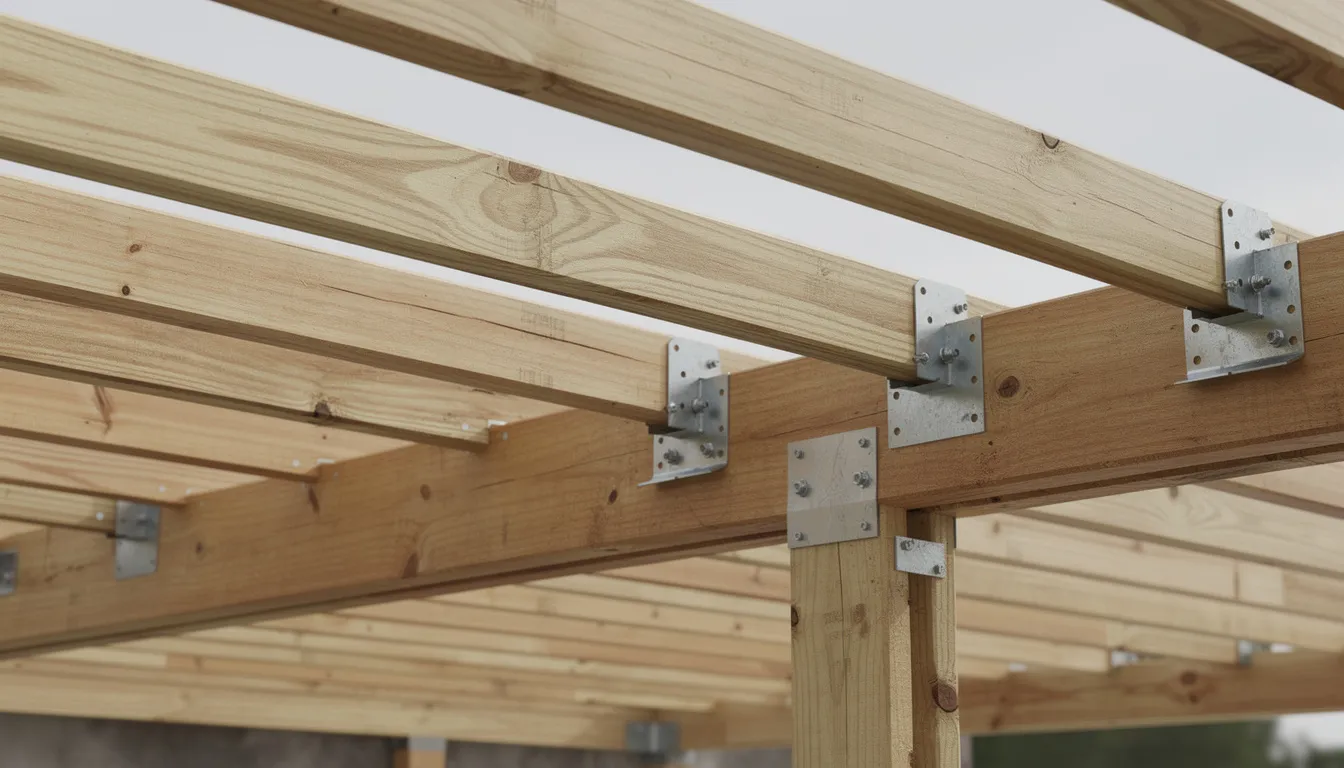
Visible and Physical Signs: How to Confirm Wood Rot
Once you’ve identified suspicious areas, simple confirmation tests can help determine whether you’re dealing with actual decay or just surface weathering. These methods do not replace professional structural evaluation but help you decide whether to call for expert help.
Discoloration Patterns:
Darker brown or black patches that feel damp even when surrounding wood is dry
Persistent wet-looking spots that don’t dry normally
Fuzzy white, green, or gray fungal growth indicating active fungal colonization
Bleached, whitish, fibrous areas (indicating white rot, less common on decks)
The Screwdriver Test:
Select a suspect area and a nearby healthy-looking area for comparison
Press the screwdriver tip firmly into the wood at a 45-degree angle
Note how easily it penetrates
Healthy wood resists penetration and springs back. Damaged wood allows the screwdriver to sink in easily, sometimes an inch or more. Rotted areas may crumble or feel stringy as you withdraw the tool.
Textural Changes:
Soft, spongy areas that compress underfoot
Crumbly edges that break apart when pressed
Flaking layers that peel away in damp clumps rather than dry splinters
Wood that feels unusually light for its size (indicating internal decay)
Odor Indicators:
A musty smell or mushroom-like odor strongly indicates active decay. This is especially noticeable under the deck, near shaded corners, or in areas with persistent moisture. If you smell rot, fungi are actively breaking down the wood even if surface damage seems minimal.
Structural Red Flags: When Wood Rot Becomes Dangerous
Any structural red flag should be treated as a safety issue and not delayed, especially if the deck is frequently used by family, guests, or for gatherings.
Immediate Warning Signs:
| Warning Sign | What It Indicates |
|---|---|
| Noticeable bounce when walking | Weakened joists or beams |
| Sagging in corners or sections | Rot in posts or beam connections |
| Uneven or shifting steps | Stringer decay or footing failure |
| Railings that wobble when pushed | Post base rot or connection failure |
| Visible separation at ledger | Critical attachment failure risk |
| Loose balusters or rail sections | Structural weakening at connections |
Rot in joists, beams, ledger boards, and posts is far more serious than rot in a few deck boards because these components carry the deck’s weight and connect it to your house. U.S. Consumer Product Safety Commission data documents over 100 deck collapses yearly, with approximately 70% attributed to rot-weakened components.
If any structural red flag is observed, avoid large gatherings on the deck until it has been inspected by a qualified professional. The Sterling-Watson Collective can provide structural evaluation and stamped engineering solutions when repairs require permits in Los Angeles—a common requirement for structural work.
DIY vs. Professional Assessment: When to Call an Expert
DIY checks are excellent for early detection, but only a trained inspector or structural engineer can accurately judge safety margins and code compliance. Knowing when you’ve reached the limits of self-assessment protects your family and your investment.
Appropriate for DIY Monitoring:
Minor surface discoloration without soft spots
One or two soft boards in non-structural locations
Early staining or sealer failure with no movement or sagging
Cosmetic mold or mildew that cleans off easily
Situations Requiring Professional Inspection:
Widespread soft spots across multiple boards or areas
Any concerns about the ledger board or house connection
Posts in contact with soil or showing base deterioration
Decks built before 1990 with no visible flashing
Bounce, sagging, or movement anywhere on the structure
Rotten deck boards in multiple locations suggesting systemic issues
Planning to sell your home or host significant gatherings
Value of Expert Assessment
Professional inspection provides:
Thorough underside review with proper access and equipment
Moisture pattern analysis to identify water sources
Code compliance checks against current California Building Code
Prioritized repair plan distinguishing urgent from routine work
Documentation suitable for insurance claims or real estate transactions
The Sterling-Watson Collective serves as a one-stop provider that can inspect, design structural repairs, handle permitting, and coordinate construction throughout Los Angeles County.
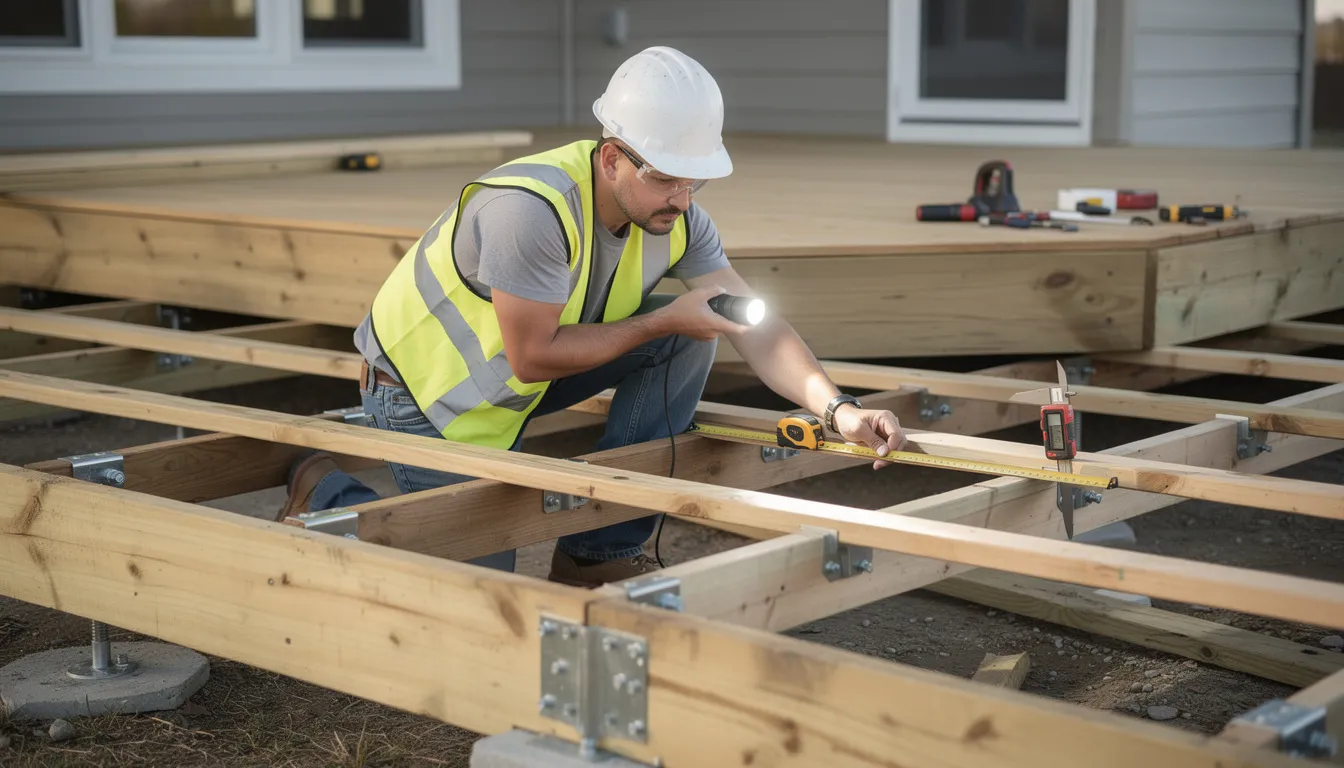
Inside a Professional Deck Inspection with The Sterling-Watson Collective
Many homeowners hesitate to call for help because they don’t know what to expect from a professional inspection. Understanding the process can help you make an informed decision about your deck’s safety.
The Inspection Process
A typical professional deck inspection includes:
Initial Homeowner Interview — Discussion of concerns, deck age, maintenance history, and any changes you’ve noticed
Visual Review from Above — Systematic examination of the walking surface, railings, stairs, and visible connections
Detailed Underside Inspection — Accessing the deck’s hidden structure to evaluate joists, beams, posts, and critical connections
Probing and Testing — Physical examination of suspect areas using professional tools where safely accessible
Focus Areas
Inspectors pay special attention to:
Ledger-to-house connection and flashing integrity
Joist hangers and beam connections
Post bases and footings
Guardrail posts and attachment points
Any areas showing prior repairs
What You Receive
The Sterling-Watson Collective provides clear, plain-language findings with photos documenting conditions. When engineering work is needed, we prepare repair details suitable for submission to Los Angeles city or county permitting offices—eliminating the need to coordinate between separate inspection and engineering firms.
Our inspections can also address related structural issues such as earthquake vulnerability on elevated decks, hillside foundation concerns, and attached soft-story structures that may require separate retrofit attention.
Repair Options Once Wood Rot Is Detected
Understanding your options helps you make informed decisions and budget appropriately. If you have a rotting deck, you may need either targeted repairs or a full replacement, depending on the extent of the damage. Rather than providing step-by-step DIY instructions for structural work (which we don’t recommend), this section focuses on the decisions you’ll face.
Minor, Localized Repairs
When rot is limited to non-structural elements:
Replace entire boards rather than attempting partial fixes
Remove all the rot plus a safety margin into healthy surrounding wood
Consider applying wood hardener to stabilize minor damage in cosmetic areas
Avoid using wood filler alone on structural members—it doesn’t restore strength
Major Structural Repairs
Severely rotted structural elements require professional intervention:
Rotted areas in joists, beams, posts, or ledger boards must typically be removed and replaced
Sistering (adding new lumber alongside damaged pieces) may work for partially affected joists but not for extensively decayed members
Damaged sections of critical connections require engineering review to ensure safe repair methods
Upgrade Opportunities
Repairs often present opportunities to improve your deck:
Switch deck boards to more rot-resistant decking material or composite decking
Improve drainage details to prevent future moisture damage
Upgrade rail height and connections to meet current code requirements
Add proper flashing where missing to prevent water from damaging new decking
The Sterling-Watson Collective coordinates both design and construction phases, helping owners budget, schedule, and execute deck repair efficiently while ensuring all work meets Los Angeles building codes.
Preventing Future Wood Rot on Your Deck
Prevention costs far less than corrective work and can often be accomplished over a weekend or two each year. To prevent rot, it is crucial to use proactive measures such as proper design, installation, regular maintenance, and selecting the right materials to stop fungal growth and water damage before they start. Maintaining a well maintained deck requires attention to moisture management above all else. Preventing both types of rot involves eliminating moisture sources and maintaining proper ventilation around wooden structures.
To prevent wood rot:
Maintain clean gutters
Seal and paint wood surfaces
Fix leaks promptly
Ensure proper drainage and ventilation
Annual maintenance is essential to prevent water and UV exposure damage to decks. In the section about sealing and staining, remember that applying a high-quality stain or sealant every year or two can protect your decking material. A high-quality stain or sealant can add an extra barrier to repel water and protect natural wood.
Annual Care Routine
Sweep debris regularly, especially in board gaps and against the house
Wash surfaces with mild cleaner to remove mold and mildew before it spreads
Clear gaps between boards to improve drainage and prevent trapped moisture
Trim plants and shrubs back from deck edges to improve air circulation
Ensure proper ventilation under the deck by keeping the area clear
Sealing and Staining Schedule
Horizontal surfaces with high sun exposure: Every 1–2 years
Vertical surfaces and railings: Every 2–3 years
End grain and cut edges: Immediately after any cutting, then with regular maintenance
Cedar or other softwoods: Every 1–2 years for optimal protection
Pay special attention to end-grain cuts on new boards or repair areas—sealing these can cut moisture absorption by up to 95%.
Improve Drainage and Prevent Water Accumulation
Adjust sprinklers to prevent water from reaching deck surfaces
Add gutters or downspout extensions to direct roof runoff away from the deck
Ensure water does not pool at posts or footings after rain
Address any constant source of moisture immediately
Check that your deck maintains proper slope away from the house
For older decks (more than 15–20 years old) or heavily used multi-level structures, schedule regular professional inspections every few years even when no problems are apparent.
How The Sterling-Watson Collective Helps Los Angeles Homeowners
Detecting wood rot is just the first step. Addressing it safely and ensuring your deck meets current safety standards requires expertise that connects structural engineering, construction knowledge, and local permitting experience.
The Sterling-Watson Collective combines licensed structural engineering with hands-on construction and permitting support—an ideal combination for complex, elevated, or hillside decks common throughout Los Angeles County.
Our Deck Services Include:
Detailed DeckInspections — Comprehensive evaluation of structure, connections, and decay
Structural Analysis — Engineering assessment of load capacity and safety margins
Seismic and Hillside Considerations — Special attention to earthquake vulnerability and slope stability
Repair and Retrofit Design — Engineered solutions with permit-ready documentation
Contractor Coordination — Working with trusted builders to execute repairs properly
We bring extensive experience with Los Angeles-area building departments, hillside regulations, and the coastal climate challenges that accelerate deck deterioration. When your deck needs more than surface-level attention, we protect your investment with solutions that last.
Ready to ensure your deck is safe and sound? Schedule a professional deck inspection with The Sterling-Watson Collective. Early evaluation prevents major reconstruction, saves money, and gives you confidence every time you step outside.
Frequently Asked Questions
-
For most Los Angeles homes, a professional inspection every 3–5 years is reasonable, with more frequent checks (every 2–3 years) for older decks or those near pools, irrigation systems, or coastal exposure. After major storms or if any movement, sagging, or new soft spots appear, schedule an inspection sooner rather than waiting for a routine cycle. Continue performing DIY visual checks annually—professional inspections serve as deeper, more technical evaluations that catch what homeowner checks miss.
-
Limited, clearly isolated rot in non-structural surface deck boards may not require immediate closure of the deck, but those affected areas should be avoided and the rotten deck boards replaced promptly. However, if bounce, sagging, or wobbly rails accompany the rot, the deck should not be used for gatherings until a professional confirms the structure is safe. Err on the side of caution, especially for elevated decks, multi-level structures, or those that regularly host groups of people. When in doubt, a quick professional assessment provides peace of mind.
-
Expect around 60–90 minutes for an average single-level residential deck, and longer (up to a few hours) for large, multi-level, or hillside decks. Time depends on access under the deck, complexity of framing, and whether the inspector is also documenting conditions for engineered repair plans. The Sterling-Watson Collective typically provides verbal feedback on site and follows up with written notes or a formal report when the scope of work requires documentation.
-
Small like-for-like board replacements—swapping damaged sections with new boards of the same material and dimensions—often do not require a permit. However, structural repairs to beams, posts, ledger boards, or significant framing changes usually require permits in Los Angeles jurisdictions. Local building departments may also require permits if railing height, stair geometry, or load capacity are being upgraded to current code standards. The Sterling-Watson Collective can advise on whether your specific repair will need a permit and can prepare the necessary engineering documentation.
-
Many homeowners choose to replace surface boards with composite while keeping a structurally sound wood frame, reducing future maintenance on walking surfaces significantly. Composite materials resist rot and UV damage better than untreated wood, though they still rely on a healthy underlying structure. Before investing in new decking, a professional inspection confirms whether existing framing can safely support a composite re-surface or if structural upgrades are needed first. This evaluation ensures your investment in premium materials isn’t undermined by hidden decay beneath.